 CNBC’s 2026 America’s Top States for Business ranking delivered an unmistakable message about Oklahoma’s future. Although the state remains attractive in areas such as affordability and the cost of doing business, Oklahoma ranked 39th overall, 42nd in workforce, and 48th in education. CNBC evaluated states across 138 measures within 10 categories that influence business investment and job creation.
These rankings should not be viewed merely as disappointing publicity. They represent a warning about Oklahoma’s ability to educate its children, prepare its workforce, attract employers, and compete in an economy increasingly driven by knowledge and skills.
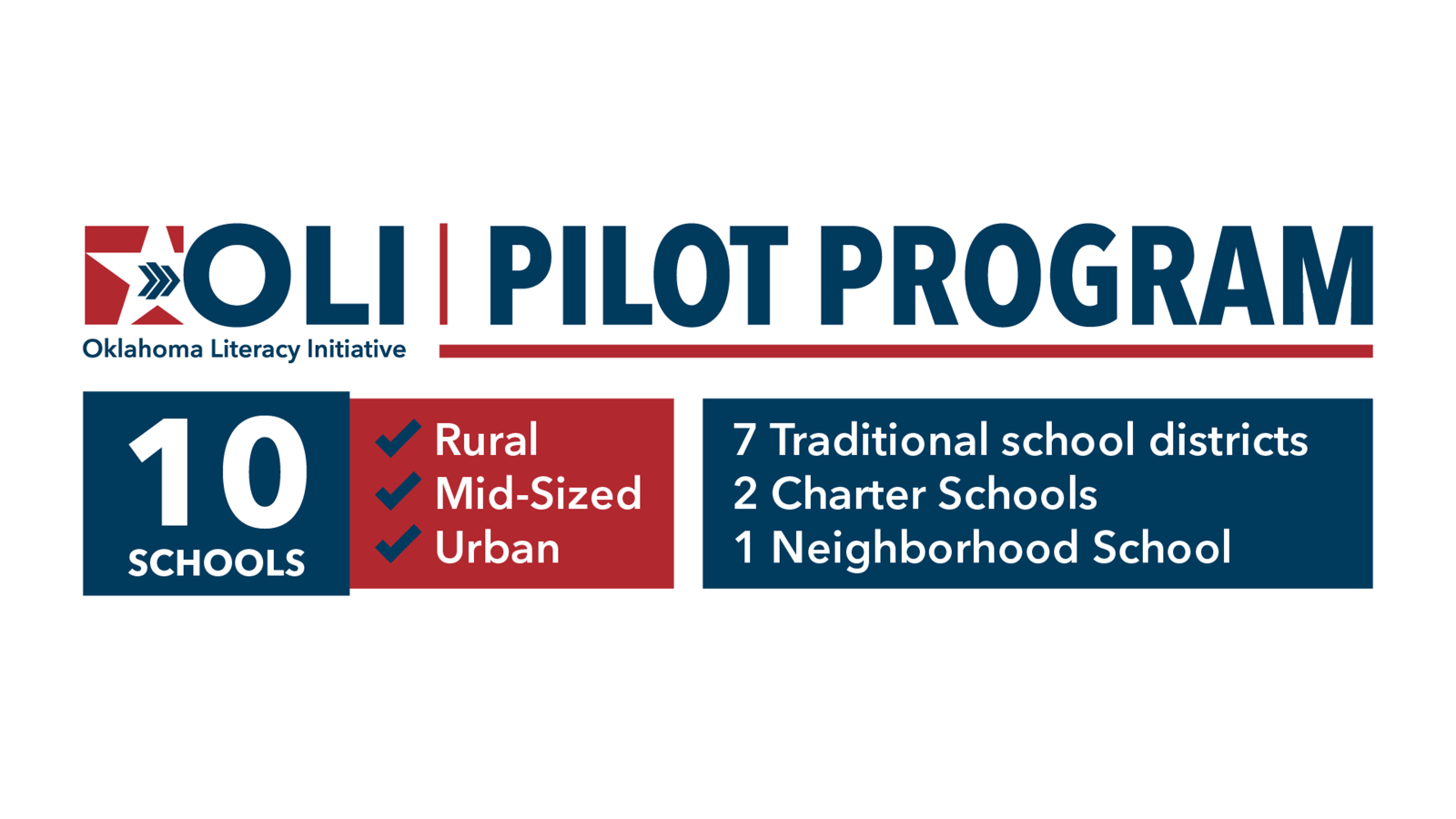
The Oklahoma Literacy Initiative (OLI), where I serve on the advisory board, is championed by the Oklahoma State Chamber Research Foundation. OLI is a privately funded initiative and partners across the state with pilot programs in 10 diverse school districts to build a statewide model for literacy excellence through training, coaching, a focus on the Science of Reading and measurable student outcomes. It represents more than an effort to improve reading scores. It reflects a growing understanding that literacy sits at the intersection of education, workforce development, economic competitiveness, and quality of life.
Literacy is not simply an elementary school issue. It is the beginning of Oklahoma’s talent-development pipeline. Students who struggle to read in the early grades are more likely to have trouble across subjects, become disengaged from school, and enter adulthood without the skills required for many careers. Employers eventually experience the consequences through workforce shortages, training challenges, reduced productivity, and difficulty finding qualified employees.
The Chamber’s advocacy draws lessons from states—including Mississippi and Louisiana—that have pursued comprehensive reading reforms. The emerging Oklahoma strategy emphasizes stronger early identification, evidence-based reading instruction, timely intervention, educator preparation, and clear expectations for students who have not yet developed essential reading skills. However, policy adoption alone will not improve reading outcomes. The real test will be in the fidelity of implementation.
Educators need high-quality professional learning, effective instructional materials, coaching and time to collaborate. School leaders need usable data that helps them identify instructional needs rather than merely labeling schools or students. Families need clear information and practical ways to reinforce literacy at home. Students who are behind need intensive support delivered early, consistently and with urgency.
Accountability must also be shared. State policymakers, business leaders, families and communities also have essential roles. Developing strong readers cannot be the responsibility of schools alone. Libraries, early childhood providers, community organizations, universities, businesses, and families can help create environments where reading is encouraged, supported, and celebrated.
CNBC’s ranking provides a useful external benchmark, but moving upward in a national ranking cannot be the ultimate goal. Success must be measured by whether more Oklahoma children become confident readers, more students graduate prepared for college and careers, and more employers can find the talent they need within the state.
The State Chamber Research Foundation’s literacy initiative recognizes a critical reality: Oklahoma cannot build a top-tier economy on a struggling educational foundation.
Teaching children to read is not separate from economic development. It may be Oklahoma’s most important economic-development strategy.