

From Initiative to Institutionalization: Sustaining Equity-Centered Leadership Through the ECPI
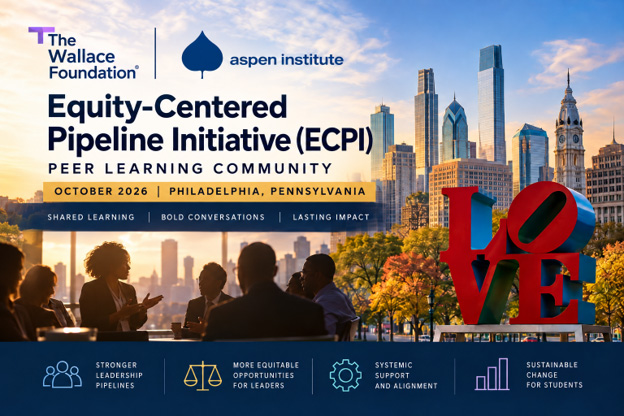 Education leaders gathered in Philadelphia, PA for the 2026 Equity-Centered Principal Pipeline Initiative (ECPI) Peer Learning Community (PLC) convened by The Wallace Foundation and the Aspen Institute (October 5-7), themed: Rooted, Resilient, and Restored. The moment presented an important opportunity to reflect on a fundamental question: How do we move equity-centered leadership from an initiative to an enduring way of doing business in our school systems?
Since its launch in 2021, The Wallace Foundation’s ECPI grant has supported eight large urban school districts in developing comprehensive, aligned principal pipelines designed to prepare, support, and sustain education leaders who advance fairness in education and improve student outcomes.
The participating ECPI districts in: Baltimore, MD; Columbus, OH; the District of Columbia; Fresno, CA; Jefferson County, KY; Portland, OR; San Antonio, TX; and Winston-Salem/Forsyth County, NC—have approached this work within their unique contexts while sharing a commitment to strengthening leadership practices, organizational coherence, and opportunities for all students.
The Power of Collective Learning
One of ECPI’s greatest strengths is its emphasis on collaborative professional learning. The PLC provided opportunities for district leaders to challenge assumptions, examine evidence, share promising practices, and learn from one another. This event featured keynote speakers including Philadelphia Superintendent, Dr. Tony Watlington and Dr. Muhammad Khalifa (author and professor from The Ohio State University), a partnership Showcase Exchange sharing insights and impact in action, Role-Alike Sessions, District Dialogues, and Learning Outings in local Philadelphia schools.
The gathering offered another opportunity to consider how leadership preparation, selection, placement, supervision, and professional learning can become mutually reinforcing components of a coherent education system.
Research released in January 2026 highlights promising practices emerging from ECPI, including principal residency programs, district-university partnerships, leadership affinity groups, equity-focused principal supervision, and policy changes that strengthen sustainability.
These findings reinforced an essential leadership lesson: Sustainable improvement requires more than effective programs. It requires systems designed to support and reinforce the desired practices.
Moving from Implementation to Institutionalization
As ECPI enters the last year of Wallace Foundation funding, sustainability is increasingly important. District leaders must consider whether their efforts will endure beyond grant funding, leadership transitions, and shifting political environments.
This requires confronting difficult questions:
- Are equity-centered leadership expectations embedded in district policies, practices, and accountability systems?
- Do principal supervisors possess the knowledge and skills to coach and develop equity-centered leaders?
- Are central office structures aligned to support principals, school campuses, and improve student learning?
- How are districts measuring progress, learning from implementation, and sustaining improvements?
These questions demand honest reflection, courageous conversations, and collective responsibility.
Leadership Is the Work
For school system leaders, the lessons emerging from ECPI extend well beyond principal preparation. They remind us that leadership development is a systemic responsibility, not an isolated human resources function.
The 2026 October ECPI PLC represented an opportunity to strengthen relationships, deepen collective learning, and reaffirm a shared commitment to lasting organizational improvement.
Ultimately, the success of ECPI will not be measured simply by the number of leaders trained or initiatives implemented. It will be reflected in stronger leadership systems, improved educational experiences, and expanded opportunities for all students.
The challenge ahead is clear: Make equity-centered leadership not something districts do, but an essential part of who they are.
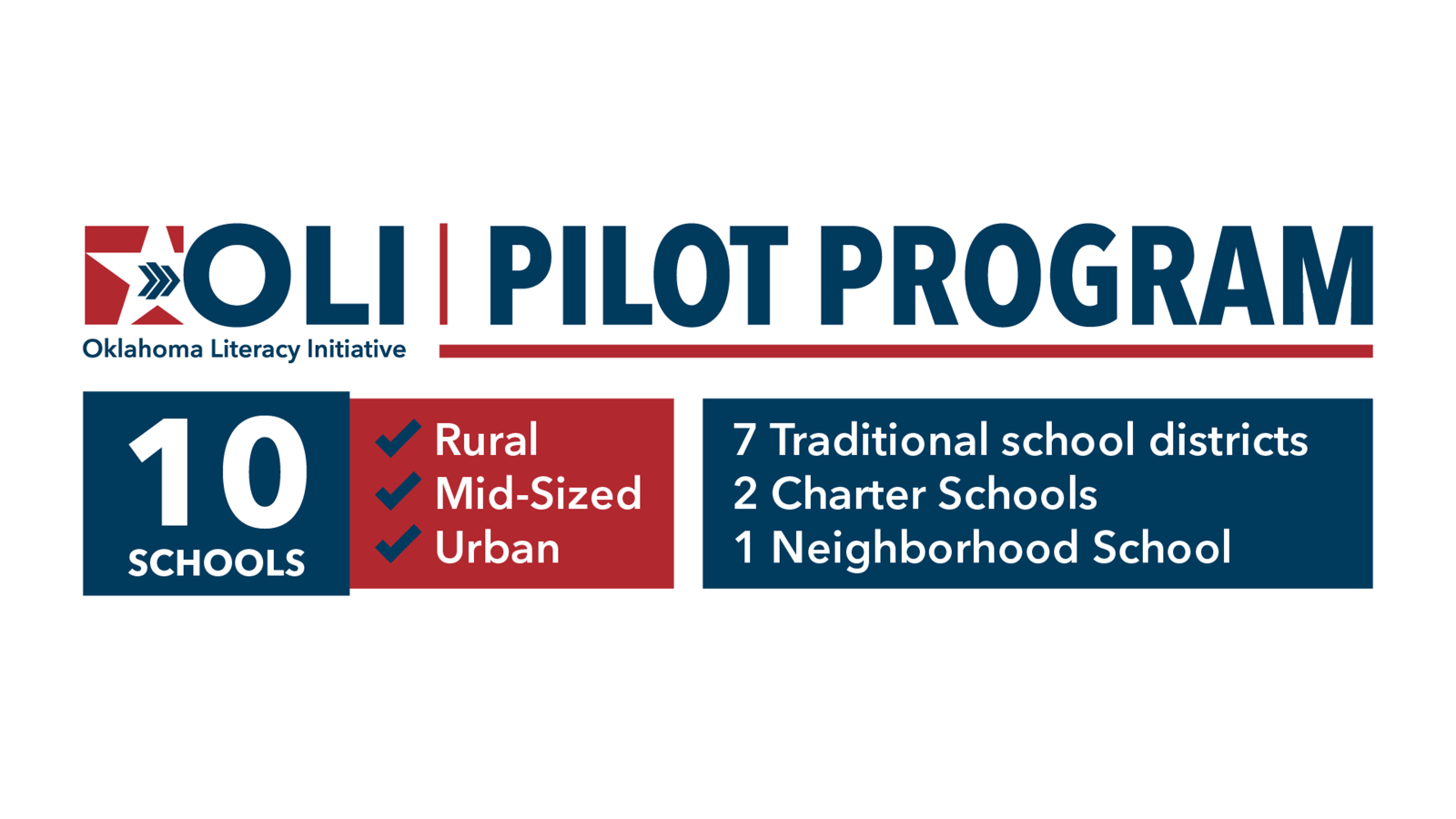 CNBC’s 2026 America’s Top States for Business ranking delivered an unmistakable message about Oklahoma’s future. Although the state remains attractive in areas such as affordability and the cost of doing business, Oklahoma ranked 39th overall, 42nd in workforce, and 48th in education. CNBC evaluated states across 138 measures within 10 categories that influence business investment and job creation.
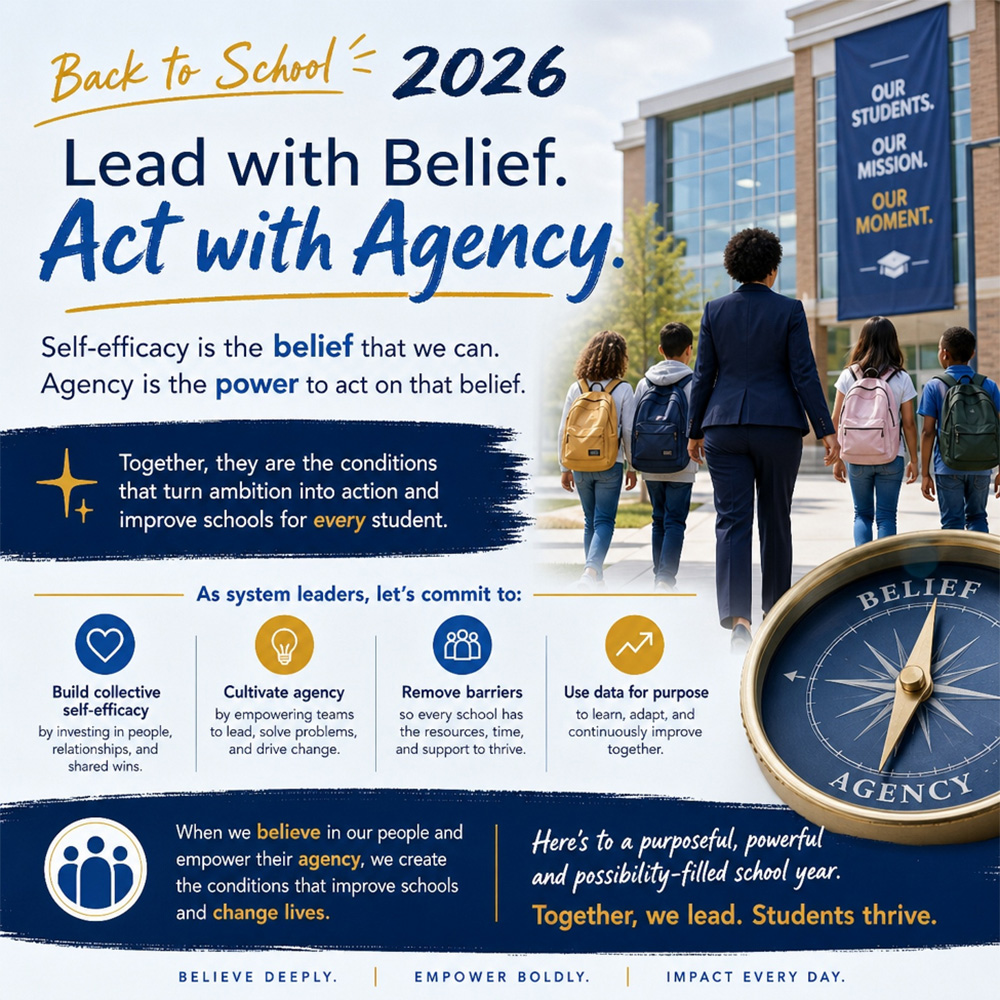 As a new school year begins, school system leaders are naturally focused on strategic plans, student achievement goals, staffing, budgets, and operational readiness. While each of these priorities matter, one of the most influential factors in school improvement is often less visible: the beliefs educators hold about their ability to make a difference.
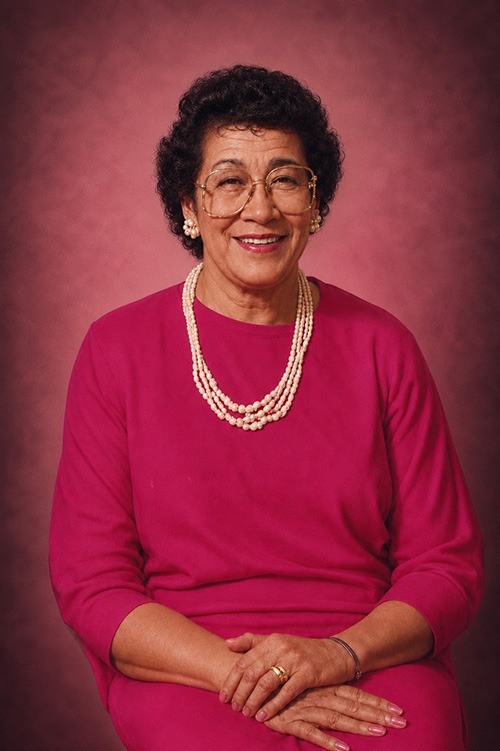 Willie Mae Smith was a wife, mother of seven, grandmother, and a devout Christian. A native of Fairfield County, SC, she had also been orphaned as a child and died in 1994, at the age of 63. I came to know her through one of my best friends (her son, Mike) and a basketball teammate during my junior year of high school in 1972-73.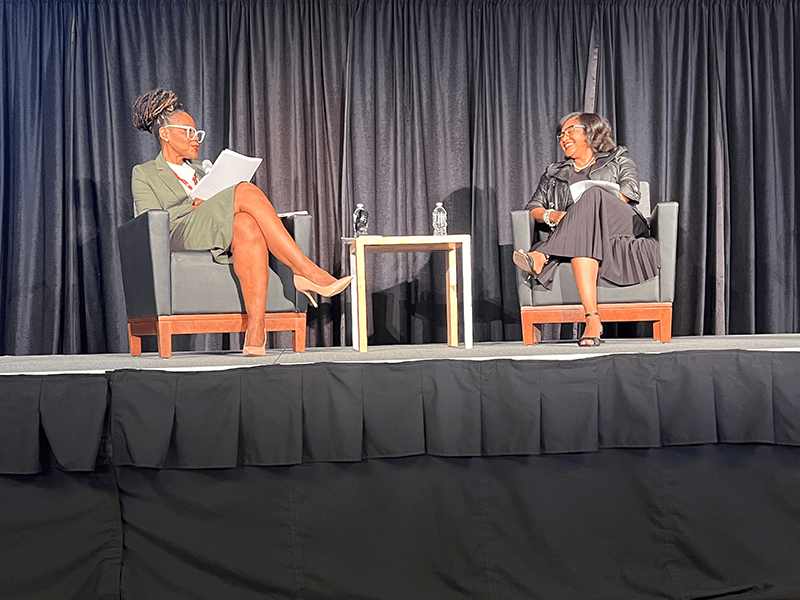
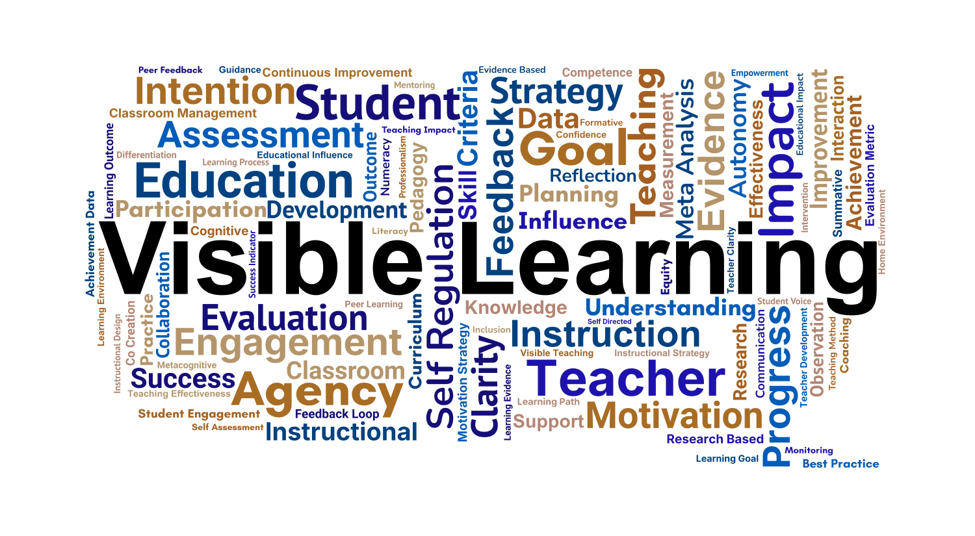 Across the country, school systems are working tirelessly to improve student outcomes, strengthen instructional practices, and ensure every learner has access to high-quality learning experiences. While districts often focus on curriculum, assessment, and professional learning, one powerful lever frequently determines whether these efforts succeed: learning clarity.
 After 32 years of dedicated service as a National Board Certified Teacher in Oklahoma City Public Schools, Lisa Ummel-Ingram’s retirement represents far more than the conclusion of a career. It is the celebration of a life devoted to students, families, colleagues, and community. For more than three decades, Lisa has demonstrated the extraordinary impact a committed teacher can have on generations of young people and the culture of an entire school system.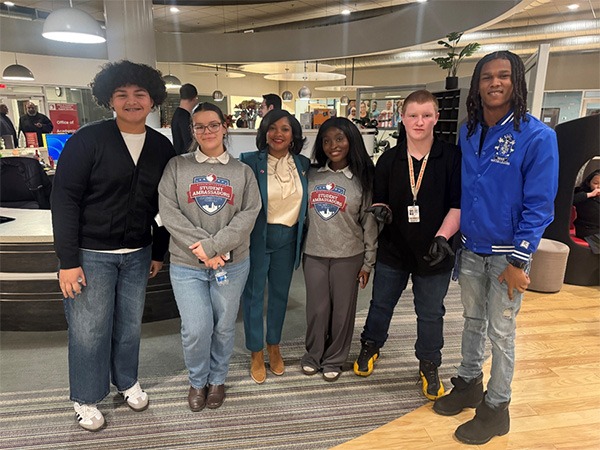
 In a recent Harvard Business Review article, “When Senior Leaders Lack People Skills, Transformations Fail,” Jenny Fernandez offers a critical reminder for education system leaders: transformation is not just a strategic or technical endeavor—it is a deeply human one. While superintendents, cabinet members, and principals often focus on vision, structure, and outcomes, the success or failure of transformation efforts frequently hinges on something less visible but far more powerful—how people experience leadership.
 During Black History Month, we rightly celebrate national figures whose names fill our textbooks and timelines. Yet some of the most profound Black history lives in the quieter, everyday leaders who shape communities through presence, principle, and persistence. For me, Raymond A. Jordan (“the Barracuda”), a family man, former state legislator, and a lifelong resident of Springfield, Massachusetts, is one of those men—an extraordinary local leader whose impact on my life and leadership continues long after my time as Springfield’s superintendent (2008-2012).