

Celebrating the Unsung Heroes: Teacher Appreciation Week
 This Teacher Appreciation Week let’s take a moment to celebrate the remarkable individuals who do so much more than teach—they inspire, challenge, and shape our future. Teachers are the unsung heroes in the narratives of our lives, often underappreciated yet always vital to our personal and intellectual growth.
From the early morning hours spent preparing lessons to the late evenings grading papers and planning the next day’s activities, teachers dedicate far more than just classroom time to their students. They create environments where curiosity is nurtured, abilities are enhanced, and lifelong learners are cultivated. This week, we recognize their relentless commitment and the profound impact they have on our communities.
As I think about teachers who had a profound impact on my life, I remember: Dr. Matt Blount, English teacher at Barber Middle School in Highland Park, MI; Mr. Joe Dulin, principal, St. Martin de Porres High School, a parochial co-educational college preparatory school in Detroit, MI; Mrs. Miriam Campbell, U.S. History teacher, Dorman High School, Spartanburg, SC; and Mrs. Mary Williams, high school counselor, Boiling Springs High School, SC. They were all no-nonsense individuals, sat a high bar in their expectations, and were big hearted in their own unique ways. Teachers ignite our passions, encourage us to explore new ideas, and help us to embrace life’s challenges.
Beyond academic instruction, teachers play several critical roles in the development of young people. They are mentors, guiding students through academic and personal challenges, and often providing support that goes beyond the classroom. They are role models, demonstrating values such as integrity, perseverance, and respect. In many cases, teachers are also innovators, constantly finding new ways to engage their students through technology and collaborative learning environments.
This week is an excellent opportunity for students, parents, and communities to show their appreciation. Simple gestures of gratitude, whether a thank-you card, a video message, or public acknowledgments, can make a significant difference in a teacher’s day. Schools and communities often coordinate events and activities to honor their teachers, from breakfasts to social media campaigns highlighting the invaluable work teachers do.
Let’s also advocate for the support and resources that teachers need to succeed. Supporting education initiatives, attending school board meetings, or participating in local education foundations are all ways to contribute positively to the teaching environment and, consequently, to student success.
As we celebrate Teacher Appreciation Week, let’s remember that our support for teachers should not be limited to these seven days. Encouraging, thanking, and recognizing teachers year-round can foster an environment of respect and appreciation that uplifts the entire educational community.
So, to all the teachers out there—thank you. Your dedication does not go unnoticed, and your impact lasts a lifetime. Here’s to celebrating you not just this week, but every day.

 The American classroom has long been a microcosm of society, reflecting the broader dynamics, tensions, and debates that animate public life. In recent years, the intersection of public education with patriotism, nationalism, political polarization, and culture wars has emerged as a particularly potent and contentious arena. This blog post explores these dynamics and offers insights into how educators, administrators, and policymakers can navigate these turbulent waters to foster environments that are inclusive, respectful, and conducive to learning.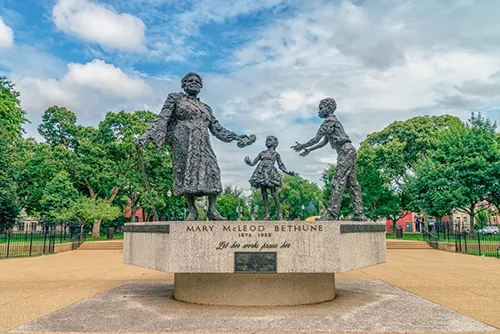
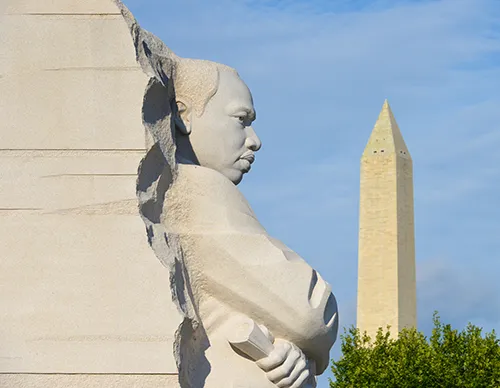 In the ever-evolving landscape of public education, the integration of Black History, Diversity, Equity, and Inclusion (DEI), and effective educational leadership forms a complex but essential framework for fostering an inclusive and equitable learning environment. As educators and leaders, acknowledging the multiplicity of truths within these areas not only enriches the educational experience but also prepares all students for a diverse and interconnected world. This blog post delves into the intersections of these crucial elements and highlights the importance of embracing complexity in educational settings.
 The year 2023 has been a watershed moment for Ingram Consulting LLC in the realm of PK-12 education. Our focus has primarily been on tackling principal pipeline challenges, enhancing summer and out-of-school time (OST) learning, and expanding college access opportunities for disadvantaged students and their families. These areas have been crucial in shaping the educational landscape and in preparing school system leaders for the future.
 Gratitude, a fundamental human emotion, plays a pivotal role in the realm of educational leadership. In a profession often beset by challenges and high expectations, cultivating a culture of gratitude can have transformative effects on both leaders and those they guide.
 The United States is home to approximately 16.2 million veterans, or about 6.2% of the nation’s adult population, according to the 2022 Census data and American Community Survey estimates. Veterans Day is a celebration to honor America’s military veterans who served in times of war and peace for their patriotism, love of country, willingness to serve and sacrifice for the common good, and pays tribute to all veterans, living or dead.
 I had the opportunity to participate in the Council of the Great City Schools (CGCS) 67th Annual Fall Conference (Oct 25-29) in the beautiful and vibrant city of San Diego, CA. Education professionals, policymakers, and industry experts gathered to engage in meaningful discussions, share innovative practices, and explore the latest trends in urban education. The conference served as a vital platform for over 1,500 attendees to connect, learn, and work collectively toward the common goal of improving educational outcomes for students in our nation’s largest urban school districts.