
Forum 2026 | Rooted in Purpose, Rising in Leadership
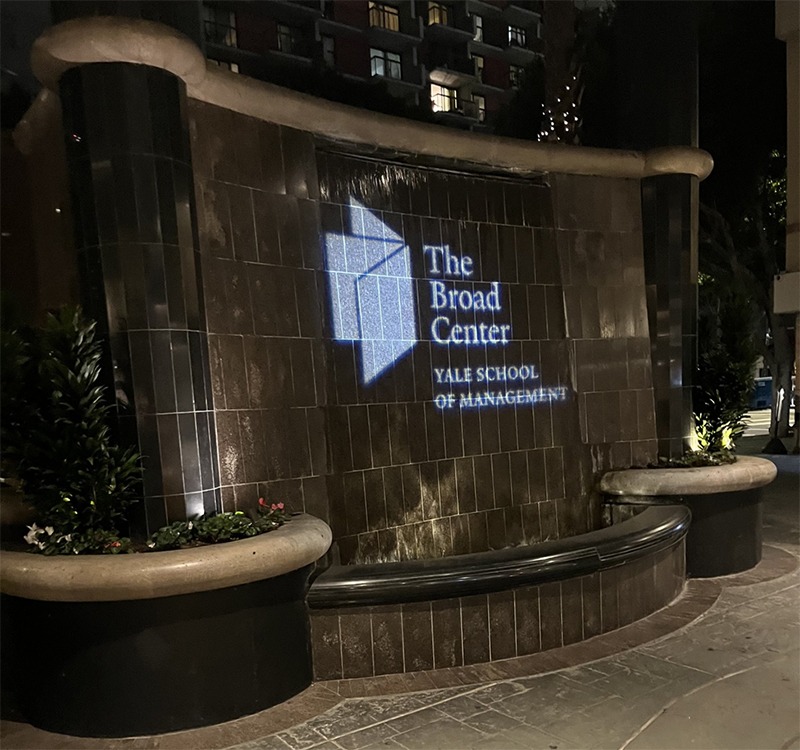 This year’s Broad Forum 2026 in Los Angeles, CA convened a remarkable gathering of education leaders, alumni, and practitioners committed to advancing public education through courageous leadership, purposeful collaboration, and forward-leaning ideas. Hosted by The Broad Center at the Yale School of Management, the Forum once again stood as a centerpiece in the field’s calendar — a place to reconnect, reflect, and reignite a shared commitment to student-centered systems change.
For many attendees, the Forum has become more than an annual meeting; it’s a professional homecoming. Leaders from diverse roles — superintendents, cabinet officers, network executives, and practitioners across districts and states — came together to share insights, hard-won lessons, and ideas for a more equitable future for all students. Conversations spanned the urgent challenges facing K-12 school systems today — from strengthening teacher retention to scaling effective instructional leadership — and energized participants to translate network learning into action back home.
The Forum’s structure — a mix of plenaries, breakout workshops, facilitated reflections, and peer affinity sessions — created a space where both big-picture ideas and practical strategies could flourish. Attendees participated in sessions focused on teacher retention, leadership development, data-informed decision-making, and equity-centered systems design. This blend helped leaders see not only the complexity of the issues they face, but also the connective threads that tie strong leadership to improved student and school outcomes.
Equally powerful were the informal moments between sessions: the hallway conversations, shared meals, and leadership stories of personal growth and resilience. These interactions underscore a central truth of the Broad network — that leadership cannot be done in isolation. It is the sustained support of a community dedicated to excellence and equity that helps leaders persist when the work gets hard.
As participants left Los Angeles, there was palpable energy and clarity of purpose. Many reflected that the Forum was not just a professional checkpoint but a renewal of commitment — a reminder that while the path forward for public education is complex, leaders who engage deeply with peers and with evidence-based practice are better equipped to shape systems where every child can thrive.
In the months ahead, the impact of Broad Forum 2026 will be seen not just in the conversations it sparked, but in the leadership moves and system improvements that unfold in school systems across the country — a testament to the power of networked leadership grounded in courage, connection, and collective purpose.
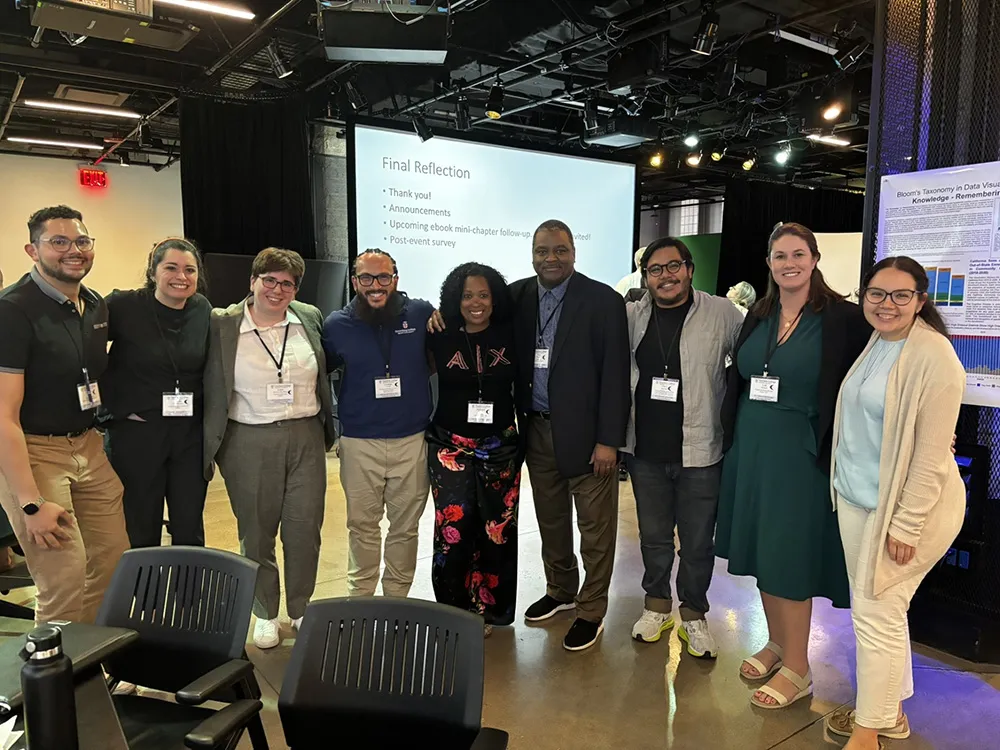 As we close the chapter on 2025, we do so with deep gratitude and a renewed sense of purpose. This year reinforced why Ingram Consulting LLC exists: to support K–12 education leaders as they navigate complexity, lead with clarity, and build systems that better serve students, families, and communities.
 Earlier this month I had an opportunity to visit the Fresno Unified School District and observe the leadership work on the equity front of Superintendent Mao Misty Her and the senior leadership team. Fresno Unified has long been recognized for its resilience, innovation, and deep belief in the potential of every student. Over the past several years, the district has made a bold and inspiring shift: placing equity-centered leadership at the forefront of its strategy for student success. This work is more than a set of initiatives, it is a systemwide commitment to transforming how leaders learn, collaborate, engage communities, and remove barriers so every child experiences a path to opportunity.
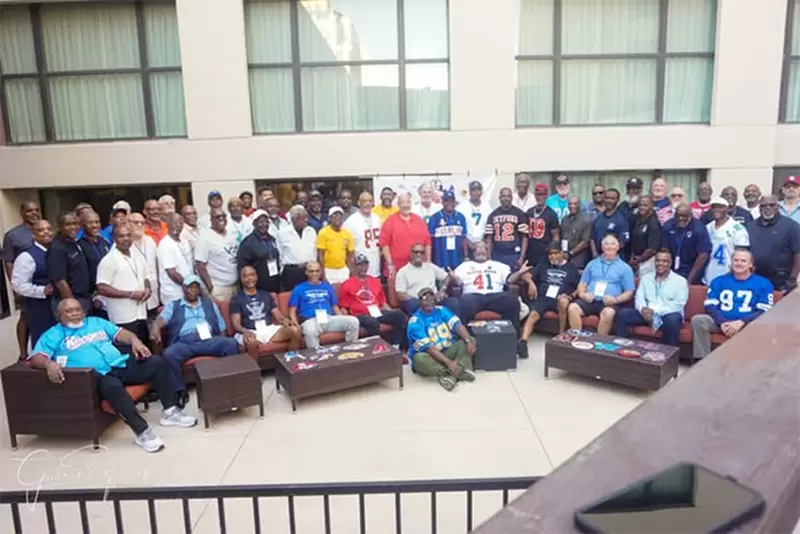 This past weekend, I had the opportunity to celebrate the 2025 United States Air Force in Europe (USAFE) Football Reunion with some of my teammates and competitors. Approximately 200 former officials, coaches, players and their families gathered in San Antonio, TX to celebrate the league’s history and legacy. In my view, football and military service are two sides of the same coin: discipline, sacrifice, preparation, teamwork, and execution.
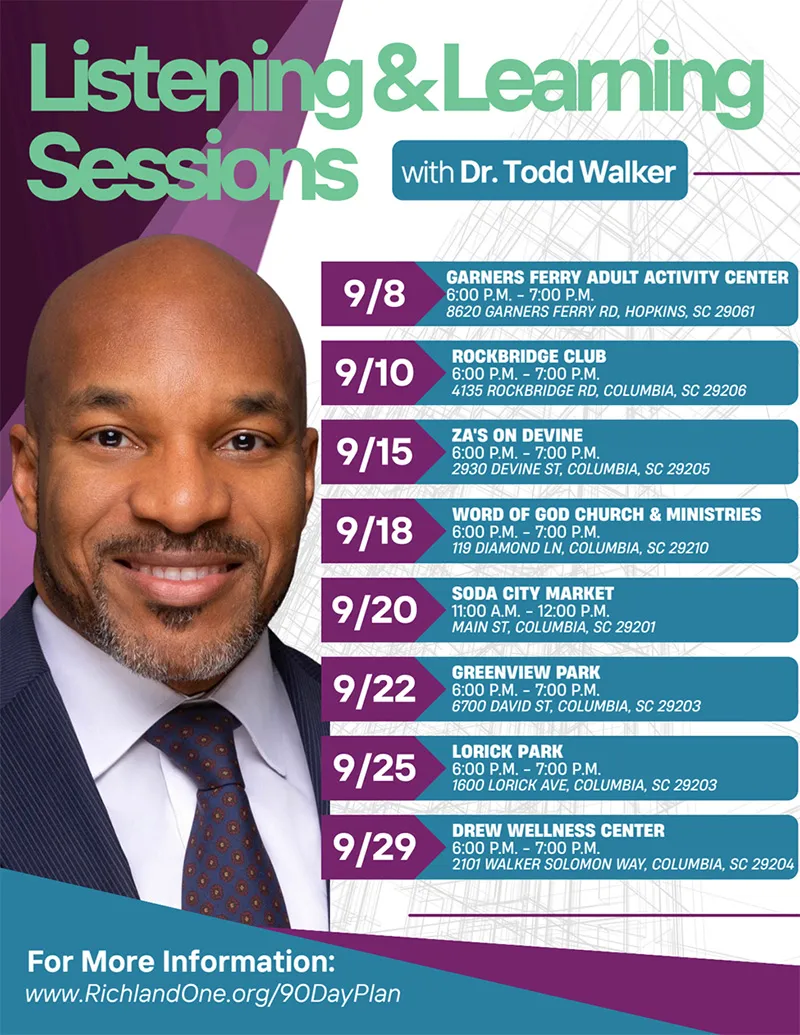 When Dr. Todd A. Walker stepped in as superintendent of Richland One on July 1, 2025, he didn’t waste time in laying the foundation for change. His early work has centered not on mandates or sweeping policy moves, but on a careful, participatory entry plan designed to engage stakeholders, diagnose strengths and weaknesses, and build a long-term vision. This “90-Day Strategic Entry Plan” sets the tone for what many hope will be a more transparent, accountable, and community-centered era in Richland One, Columbia, SC.
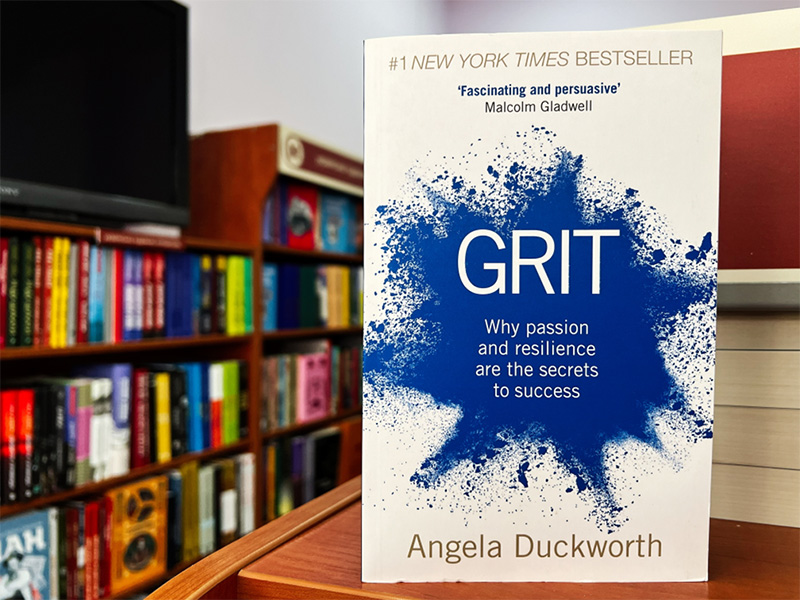 In her influential book Grit: The Power of Passion and Perseverance, 2013 McArthur Fellow and professor of psychology at the University of Pennsylvania, Angela Duckworth offers a compelling argument for why long-term success depends less on innate talent and more on sustained effort, commitment, and resilience. For school system leaders navigating the complexities of today’s educational landscape, Duckworth’s insights are both timely and essential.
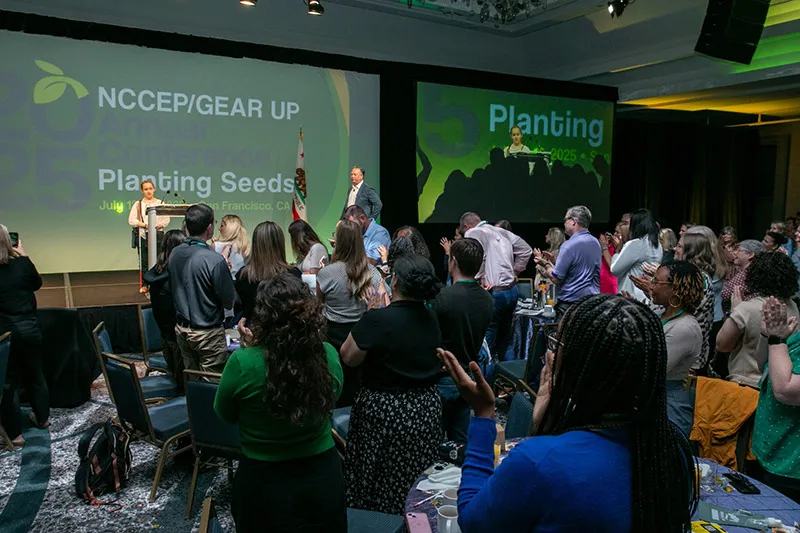 From July 13–16, 2025, over 1,800 educators, policy makers, students, families, and community partners converged in San Francisco to celebrate and advance the mission of GEAR UP at the Hilton San Francisco Union Square. GEAR UP is a nationally recognized federally funded college‑access initiative with nearly $388 million annually, that serves hundreds of thousands of students. This conference plays a pivotal role in powering those efforts: it’s where promising practices and strategies are shared, policies are shaped, coalitions are built, and futures are envisioned.
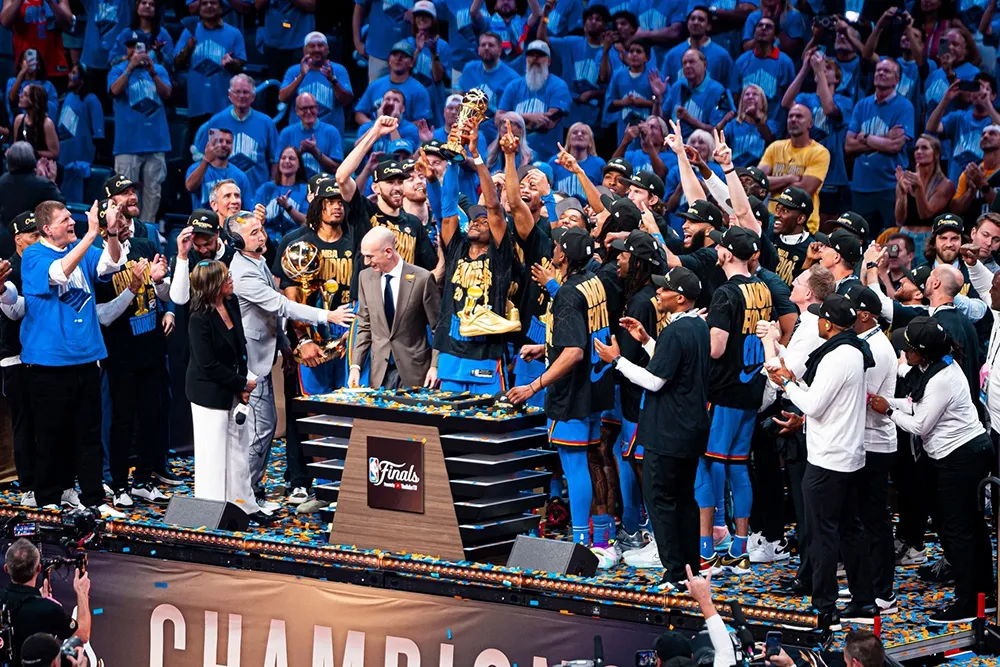 June unfolded as a tapestry of milestones—a grand opening, an educational leadership and principal pipeline deep dive, heartfelt remembrance, and a historic sports triumph.
 As the 2024–2025 school year draws to a close, we pause to reflect on the journey of teaching and learning over the past ten months. Across the country, classrooms have been filled with curiosity, creativity, collaboration, and challenges. Through it all, one constant has remained: the unwavering dedication of our public school educators.
 In his insightful reflection, “My Black Roommate Opened My Eyes to an Air Force I Didn’t Know Existed,” published on April 2, 2025, by The War Horse, Mark Miller describes how his early Air Force experience in 1971 transformed his understanding of race, equity, and military service. Although Mark Miller and I did not serve together, his experiences in the Air Force, akin to my own, highlight similar lessons learned from our military careers, offering valuable insights into the potential of diversity for individuals, teams, and organizations.