
Dismantling the U.S. Department of Education: Historical Context, Purpose, and Consequences
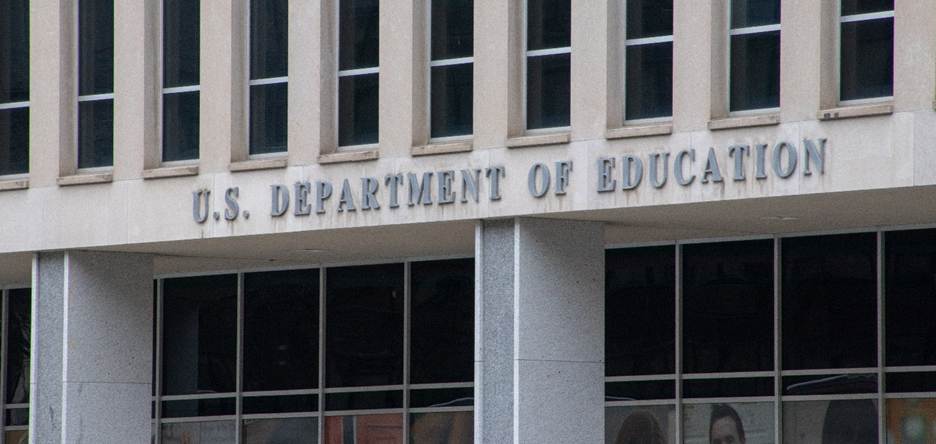 For decades, debates over the role of the U.S. Department of Education (ED) have intensified, with some advocating for its complete dismantling. Critics argue that education should be a state and local responsibility, while others see federal oversight as essential for fairness and national progress. To understand this debate, we must examine the agency’s origins, purpose, common misconceptions, and the potential consequences of eliminating it.
The Historical Context of the U.S. Department of Education
The federal government has played a role in education since the 19th century, but the ED as we know it was established in 1979 under President Jimmy Carter. Its creation aimed to centralize education policy, enforce federal civil rights laws, and promote educational excellence nationwide. However, opposition arose immediately, particularly from conservatives who viewed it as federal overreach into a state responsibility.
Calls to abolish the department gained momentum under President Ronald Reagan, and later, the Tea Party movement and modern conservative groups have reignited the discussion. The argument largely hinges on state sovereignty and concerns over bureaucratic inefficiencies.
The Purpose of the U.S. Department of Education
The ED’s primary responsibilities include overseeing education policy, supporting state and local education systems, and:
- Administering federal funds to support K-12 and higher education, especially for low-income students and special education programs.
- Ensuring civil rights compliance, enforcing laws such as Title IX and the Individuals with Disabilities Education Act (IDEA).
- Conducting research and setting national education standards, helping states and schools access data-driven strategies for improvement.
While states retain control over curriculum and school administration, federal oversight helps ensure that all students, regardless of geography or socioeconomic status, receive a fair education.
Misinformation and Misconceptions
Opponents of the ED often claim that it dictates curriculum, imposes unnecessary mandates, or wastes taxpayer dollars. In reality, the department has no control over curriculum decisions or what is taught in schools—those remain with states and local districts. In 2024, only 4% of the federal spending was by the Department of Education. Additionally, federal funding accounts for only about 10-14% of total K-12 education spending, dispelling the notion that it dominates state education budgets.
The Argument for States’ Rights
Abolition advocates argue that education is best handled by states, allowing for localized decision-making and innovation. They claim that federal intervention leads to a one-size-fits-all approach, hindering states’ ability to tailor education to their specific populations. The 10th Amendment of the U.S. Constitution, which reserves powers not delegated to the federal government for the states, is often cited as justification.
However, history reveals that leaving education entirely to the states has often led to systemic civil rights violations, disproportionately harming marginalized students. Before federal intervention, many states upheld racially segregated schools, denying Black students’ equal educational opportunities until the Supreme Court’s landmark ruling in Brown v. Board of Education (1954) and Brown II (1955), Morgan v. Henningen (1974) and Boston’s public schools court ordered desegregation ruling. Similarly, students with disabilities were routinely excluded from public schools until federal laws like the Individuals with Disabilities Education Act (IDEA) mandated their right to education. The Civil Rights Act of 1964 and Title IX protections for women and LGBTQ+ students further highlight how federal oversight has been necessary to ensure equitable access to education.
Consequences of Dismantling the ED
Eliminating the ED would have significant implications, including:
- Funding disparities for disadvantaged students, particularly those in rural and low-income communities, and students with disabilities.
- Weakened civil rights enforcement, leading to reduced protections in education access and quality at the state level.
- Reduced research and innovation, as federal grants for education research would disappear, limiting nationwide improvements.
Conclusion
While the debate over the Department of Education is rooted in stated concerns about bureaucracy and state authority, dismantling it could create more harm than good. A balance between state control and federal support is necessary to ensure an equitable, high-quality education for all students and especially our nation’s most vulnerable learners. The real challenge is reforming, not eliminating, the ED—streamlining its role while preserving protections for America’s most vulnerable learners.
 Every February, Black History Month serves as a powerful reminder of the resilience, brilliance, and contributions of Black individuals throughout history. It is more than a moment of reflection—it is a time to celebrate the deep ancestral connections that bind Black communities across generations, from food and faith to shared spaces of gathering. It is also a moment to recognize Black excellence in every arena, including sports, arts, and education, as well as to confront challenges that persist in society.
 Public education in the United States is undergoing significant shifts as the White House enacts policies affecting students, educators, and institutions. Three key areas of concern include actions related to birthright citizenship, the freezing of federal grants and loans, and bans on Diversity, Equity, and Inclusion (DEI) initiatives. These measures have sparked debate over their long-term impact on educational access, funding, and inclusivity.
 As the season of Thanksgiving unfolds, we are reminded of the profound significance of gratitude. This holiday marks the start of a season filled with reflection, celebration, and a time for coming together. For those of us in education, it is a unique opportunity to pause, honor the hard work of our colleagues, and prepare ourselves for the road ahead.
 Voting is the cornerstone of our democracy and a critical tool for shaping the future of public education, with the power to directly influence policies that affect school budgets, teacher staffing, school safety, book bans, and the selection of locally elected school boards. For public school educators, parents, and community members, casting a vote is one of the most important responsibilities we have to ensure that public schools remain strong, well-funded, and safe learning environments for all students.
 Jim Huge, passed away on September 1, 2024, at the age of 84. His remarkable life began in Deshler, Nebraska, where he grew up as one of three energetic brothers. Jim excelled in both sports and academics, playing football and basketball at the University of Nebraska, where he was honored as an Academic All-American in 1962. His dedication to his teammates is said to have been unwavering, despite enduring numerous injuries, he formed lifelong bonds during this time, particularly with his Phi Kappa Psi fraternity brothers.
 As the school year begins anew, the air is filled with the familiar mix of excitement and anticipation. Students are ready to embark on a new academic journey, and parents are eager to see their children grow and learn. However, none of this would be possible without the dedication and hard work of our public school teachers and school system leaders.
 The 2024 Paris Olympics were more than just a celebration of athletic excellence; they were a global showcase of the human spirit’s resilience, determination, and the power of aspirational goals. As the world watched, the athletes demonstrated that achieving greatness requires more than just talent—it demands perseverance, hard work, a healthy competitive spirit, and a deep sense of national pride.
 On July 5, 1852, Frederick Douglass delivered one of the most powerful and thought-provoking speeches in American history. Invited to speak at an Independence Day celebration, Douglass used the occasion to highlight the stark contrast between the ideals of liberty and the harsh reality of slavery. His speech, “What to the Slave is the Fourth of July?” serves as a timeless reminder of the ongoing struggle for justice and equality, and it offers profound lessons for today’s school system leaders.