
A Summary of “Leadership Team Coaching” by Peter Hawkins
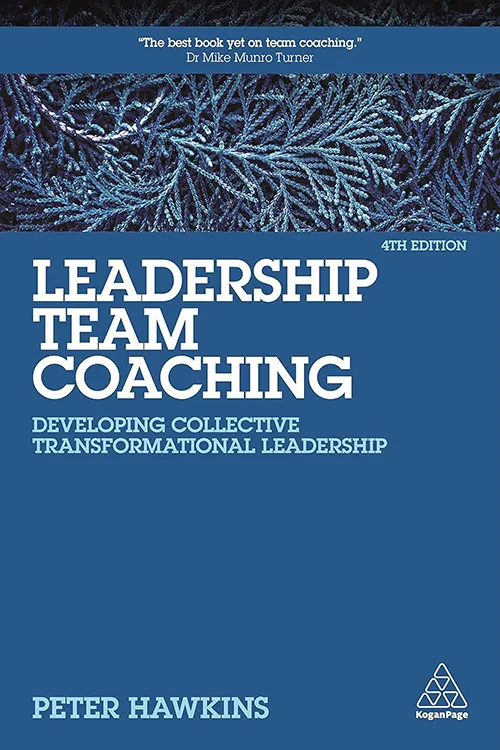 Peter Hawkins’ book “Leadership Team Coaching: Developing Collective Transformational Leadership” is a seminal work that explores the dynamics of team leadership and the transformative power of coaching in developing high-performing teams. Hawkins delves into the intricacies of leadership teams, offering a comprehensive guide for leaders, coaches, and organizations striving to enhance their team effectiveness. The book is structured around key principles and methodologies that facilitate effective team coaching.
The Importance of Leadership Teams
Hawkins begins by emphasizing the critical role of leadership teams in modern organizations. He argues that in an increasingly complex and interconnected world, no single leader can possess all the knowledge and skills necessary to navigate challenges alone. Effective leadership requires a collective effort where diverse perspectives and expertise are leveraged.
The Five Disciplines Model
Central to Hawkins’ approach is the Five Disciplines Model, which provides a structured framework for team coaching. These disciplines are:
1. Commissioning (The Why): This discipline involves understanding the team’s clear purpose and mandate from the broader organization. It ensures that the team is aligned with the organizational vision and has a clear understanding of its role and objectives.
2. Clarifying (The What): Here, the focus is on defining the team’s goals, roles, and processes in a team charter with Key Performance Indicators (KPIs). Clarifying ensures that all team members understand what is expected of them and how they can contribute to the team’s success.
3. Co-Creating (The How): This discipline emphasizes the importance of building strong, collaborative relationships within the team. It involves creating a culture of trust, open communication, and mutual respect, which are essential for effective teamwork.
4. Connecting (The Who): Hawkins highlights the need for teams to build strong connections both within the organization and externally. This involves engaging with critical stakeholders, understanding their needs, and fostering partnerships that can support the team’s objectives.
5. Core Learning: Continuous learning and development are vital for maintaining high performance. This discipline focuses on reflecting on experiences, seeking feedback, and investing in ongoing personal and team development to grow its collective capacity.
The Role of the Team Coach
A significant portion of the book is dedicated to the role of the team coach. Hawkins outlines the skills and attributes necessary for effective team coaching, including the ability to facilitate, challenge, and support the team in equal measure. He emphasizes the importance of the coach being both a guide and a partner in the team’s journey towards high performance.
Practical Tools and Techniques
Hawkins provides a wealth of practical tools and techniques that coaches and leaders can use to enhance team performance. These include diagnostic tools for assessing team effectiveness, frameworks for facilitating team meetings, and strategies for managing team conflicts. The book also offers case studies and real-world examples that illustrate the application of these tools in various organizational contexts.
The Impact of Effective Team Coaching
Hawkins concludes by discussing the transformative impact of effective team coaching. He argues that when teams are well-coached, they become more agile, resilient, and capable of achieving their goals. Effective team coaching not only enhances team performance but also contributes to the overall health and success of the organization.
 This Teacher Appreciation Week let’s take a moment to celebrate the remarkable individuals who do so much more than teach—they inspire, challenge, and shape our future. Teachers are the unsung heroes in the narratives of our lives, often underappreciated yet always vital to our personal and intellectual growth.
 The American classroom has long been a microcosm of society, reflecting the broader dynamics, tensions, and debates that animate public life. In recent years, the intersection of public education with patriotism, nationalism, political polarization, and culture wars has emerged as a particularly potent and contentious arena. This blog post explores these dynamics and offers insights into how educators, administrators, and policymakers can navigate these turbulent waters to foster environments that are inclusive, respectful, and conducive to learning.
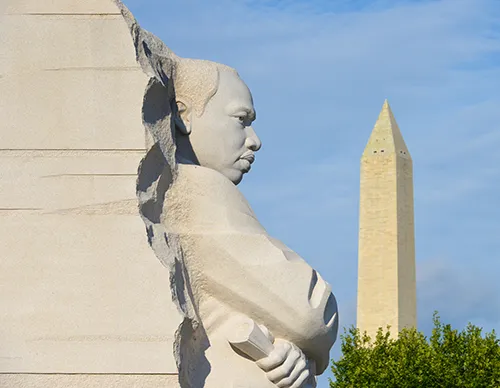 In the ever-evolving landscape of public education, the integration of Black History, Diversity, Equity, and Inclusion (DEI), and effective educational leadership forms a complex but essential framework for fostering an inclusive and equitable learning environment. As educators and leaders, acknowledging the multiplicity of truths within these areas not only enriches the educational experience but also prepares all students for a diverse and interconnected world. This blog post delves into the intersections of these crucial elements and highlights the importance of embracing complexity in educational settings.
 The year 2023 has been a watershed moment for Ingram Consulting LLC in the realm of PK-12 education. Our focus has primarily been on tackling principal pipeline challenges, enhancing summer and out-of-school time (OST) learning, and expanding college access opportunities for disadvantaged students and their families. These areas have been crucial in shaping the educational landscape and in preparing school system leaders for the future.
 Gratitude, a fundamental human emotion, plays a pivotal role in the realm of educational leadership. In a profession often beset by challenges and high expectations, cultivating a culture of gratitude can have transformative effects on both leaders and those they guide.
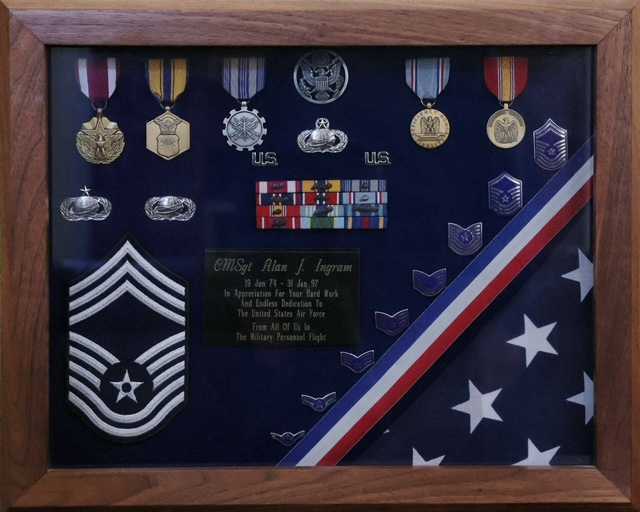 The United States is home to approximately 16.2 million veterans, or about 6.2% of the nation’s adult population, according to the 2022 Census data and American Community Survey estimates. Veterans Day is a celebration to honor America’s military veterans who served in times of war and peace for their patriotism, love of country, willingness to serve and sacrifice for the common good, and pays tribute to all veterans, living or dead.