
Sharpening the Saw
 I had the opportunity to participate in the Council of the Great City Schools (CGCS) 67th Annual Fall Conference (Oct 25-29) in the beautiful and vibrant city of San Diego, CA. Education professionals, policymakers, and industry experts gathered to engage in meaningful discussions, share innovative practices, and explore the latest trends in urban education. The conference served as a vital platform for over 1,500 attendees to connect, learn, and work collectively toward the common goal of improving educational outcomes for students in our nation’s largest urban school districts.
This year’s conference theme, “Sailing Into the Future of Education,” reflects the aspirations of CGCS and emphasized the importance of collaboration and solidarity in facing the myriad challenges that urban schools districts encounter. The conference offered a plethora of sessions and workshops spanning various focus areas, including educational equity, innovative teaching practices, leadership development, and effective governance.
More than 200 breakout sessions were integral components of the conference, providing in-depth discussions and hands-on learning experiences. Attendees had the opportunity to delve into specific topics, exchange ideas, and gain practical tools to enhance their work in urban education. Topics ranged from addressing the achievement gap, supporting English Language Learners to developing principal pipelines, implementing technology in the classroom, and fostering socio-emotional learning.
The conference also featured a diverse group of keynote speakers who provided valuable insights and inspiration to include former U.S. Representative Liz Cheney (R-WY); Emmy Award Winning Journalist and Detroit native, Jemel Hill; and actor/playwright John Leguizamo. National Public Radio (NPR) education reporter Sequoia Carrillo moderated an all student Townhall with eight students hailing from urban school districts nationwide, delving into the urgent concerns facing students today. Renowned educators and thought leaders addressed attendees, sharing their experiences, research, and strategies to foster a more equitable and effective education system. The keynote sessions served as a powerful catalyst for reflection, dialogue and action, motivating participants to implement changes in their respective districts.
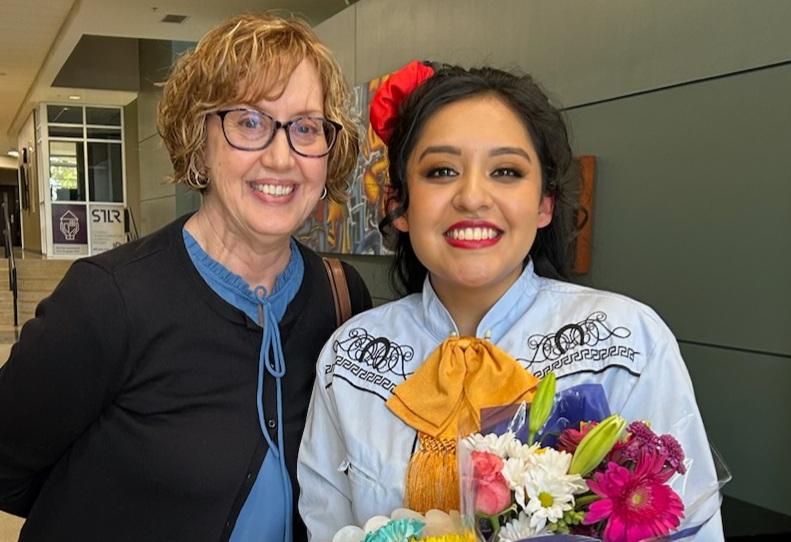
Several honorees recognized during the conference included: School board member Michael O’Neill of Boston Public Schools, honored as the 2023 Green-Garner Award recipient, the nation’s highest honor in urban education leadership recognizing an outstanding superintendent and school board member in alternating years, along with Dr. Christina Kirk, 2024 Queen Smith Award recipient from Oklahoma City Public Schools for her commitment to urban education. But the honoree who resonated most with me was Sylvia Mendez (age 87, civil rights activist, retired nurse, and 2011 Presidential Medal of Freedom recipient) for her contributions in desegregating public schools (i.e., Mendez, et al v. Westminster School District), a 1947 federal case involving a 9-year-old girl, the first successful federal school desegregation decision in the nation shielding children of Mexican ancestry from public school segregation in California.
One of the conference’s major strengths was its ability to bring together a diverse group of individuals committed to improving urban education. The networking events and informal gatherings provided ample opportunities for attendees to connect, share experiences, and build relationships. These connections are vital in creating a supportive community and fostering collaboration beyond the conference.
As Stephen Covey, author and educator says in his most popular book, The 7 Habits of Highly Effective People, “Habit 7: Sharpening the saw means preserving and enhancing the greatest asset you have—you. It means having a balanced program for self-renewal in the four areas of your life: physical, social/emotional, mental, and spiritual.”
 Last night, Oklahoma Christian University hosted an enthralling public lecture by the esteemed David Grann, author of the critically acclaimed book, “Killers of the Flower Moon: The Osage Murders and the Birth of the FBI” and soon to be released as a movie in just a few days. The event drew attendees from all over the state, eager to delve into the dark recesses of American history that Grann so painstakingly researched and illuminated in his book.
 October is here and as the amber leaves fall, we are once again reminded that it is National Principals Month—a month dedicated to celebrating the leaders who shape the educational journey of our nation’s most precious resource. These leaders, our beloved school principals, play an integral role in sculpting the future by guiding the present.
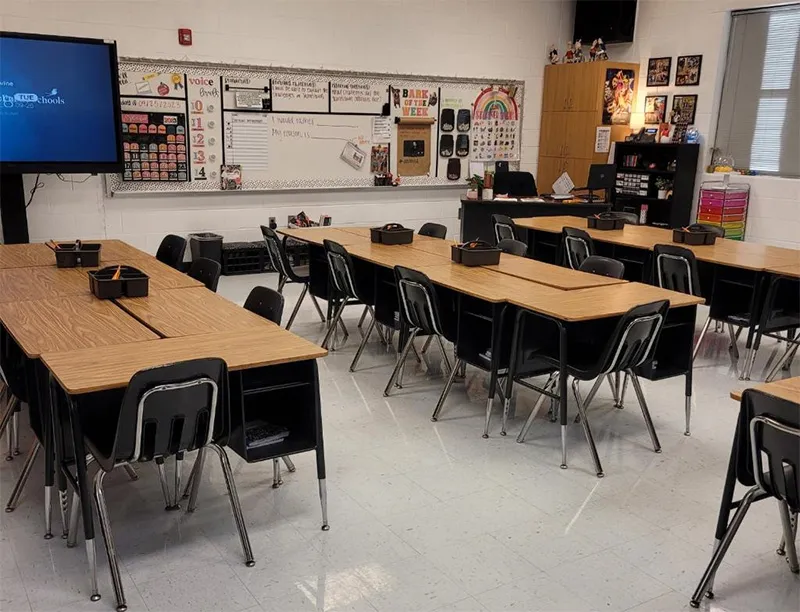 September is National School Attendance Awareness Month. Exacerbated by COVID, chronic absenteeism remains persistently high and has reportedly more than doubled since the start of the pandemic, from 8 million to an estimated 16 million students nationwide. Chronic absenteeism represents lost instructional time for students and has obvious consequences. Teacher effectiveness is the strongest school-related determinant of student success, but chronic absenteeism diminishes even the best teacher’s ability to bring about student success.
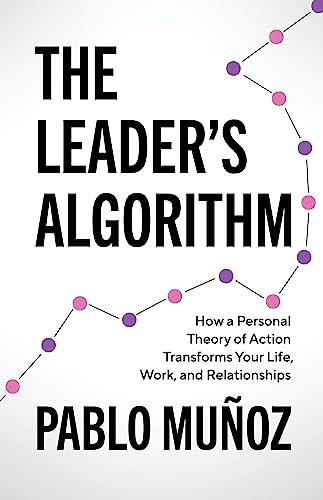 Pablo Munoz is a professional acquaintance, and we share a connection as Broad Academy Fellows, an intensive preparation program for aspiring urban superintendents. From humble beginnings as a first-generation high school graduate, he led and successfully transformed two large New Jersey school districts, Elizabeth, and Passaic, to unprecedented success. Pablo is from a family of Puerto Rican immigrants who leveraged his baseball skills and intellect to attain degrees from Yale University (and Teachers College at Columbia) before working his way up through the most challenging educational environments in a 30-year career, 16 of which he served as a school district superintendent.
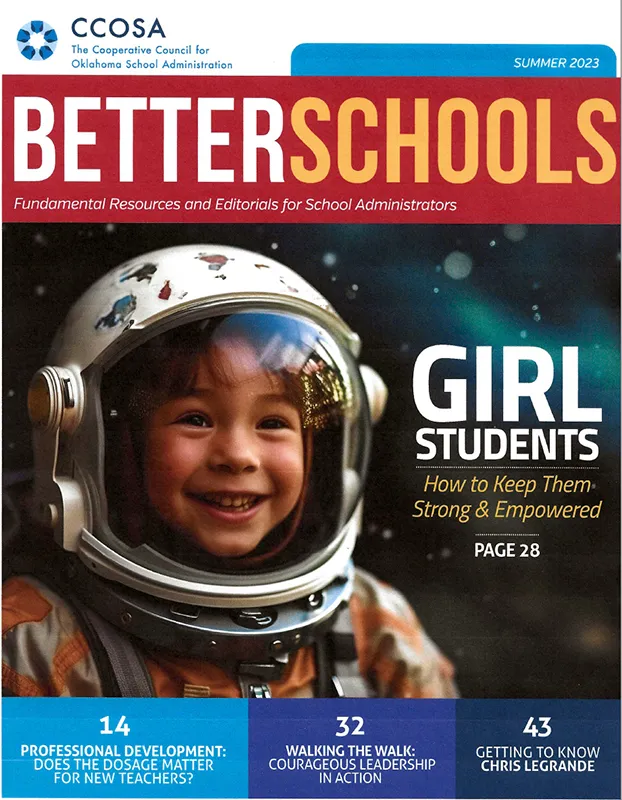 As unique as a fingerprint, every leader encompasses a combination of attributes and limitations. But leaders steeped in the work of tangible change must share one common attribute – courage. As I pause to consider Oklahoma leaders, present and past, who embody the kind of courage that can change the world, Kyle Reynolds, Deborah Gist, and Keith Ballard come to mind. While the world is not ours to conquer as education leaders, I agree with Lindsay Whorton, president of the Holdsworth Center, who asserts that public schools will be a critical arena for courageous leadership and change.
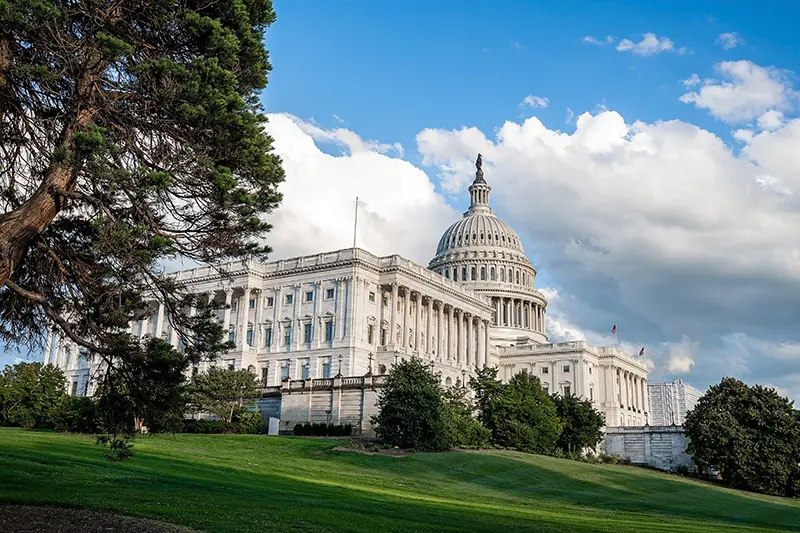 The decision by the Supreme Court’s conservative majority against race-conscious college admissions, also known as affirmative actions, has sparked intense debate and controversy. While proponents argue that it promotes diversity and equal opportunities, a recent poll conducted by the University of Massachusetts-Amherst and WCVB, found that 42% of all respondents said they somewhat opposed, opposed, or strongly opposed consideration of race in college admissions, and 33% said they somewhat supported, supported or strongly supported the policies. I firmly believe that this decision is a step backwards for equality in our society.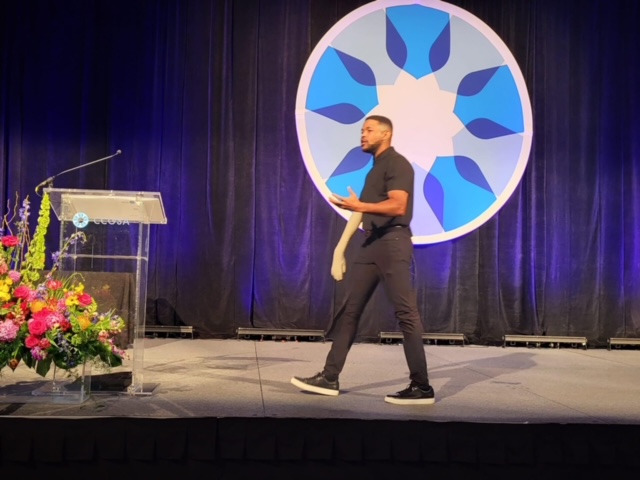
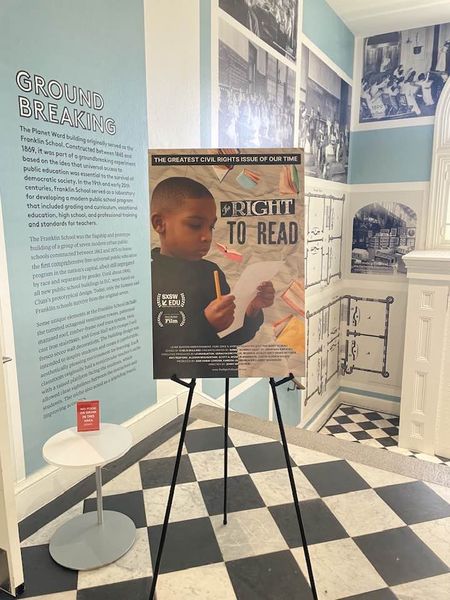 Nationally, 68% of all 4th grade public school students are not reading at a proficient level (The Nation’s Report Card, 2022), and 54% of Americans between the ages of 16-74 read at a level below that of the sixth grade (Gallup 2020). Yet, the debate over how best to teach reading skills to children lingers on. The two main camps in this debate are the phonics-based approach and the whole-language approach.