

Improving School Performance through Affordable Housing
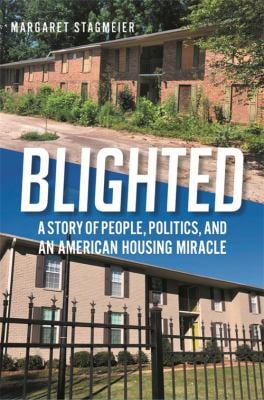 Recently, I talked with Margaret (Marjy) Stagmeier, about her book: Blighted (2022) and efforts to transform a low-income apartment community in the Cleveland Avenue neighborhood of south Atlanta, GA. She is labeled as a Compassionate Capitalist by some in the media and a self-described champion of an affordable-housing education model. As part of her journey in the asset management and investment world, she passionately shared how the book by Matthew Desmond, Evicted: Poverty and Profit in the American City (2016) significantly influenced her work to tackle Atlanta’s affordable housing crisis.
Blighted: a story of people, politics and an American housing miracle is a must-read book for anyone interested in the issues of urban blight, housing, and the role of private-public partnerships in transforming communities. As a managing partner at TriStar, a global commercial real estate investment and development company and founder of Star-C, a non-profit organization whose mission is to reduce resident transiency in affordable housing communities near low-performing schools, Marjy and her team transformed the blighted and aging Summerdale Apartments.
As part of the transformation, Star-C invested in community-based programs that provide supportive services through after-school study sessions, free summer camps, health clinics, gardens for fresh food and mentors for children in Summerdale Apartments. The programs, coupled with affordable housing, helped create a strong sense of community, improving the quality of life for children and residents.
The book is a fascinating account of transformation for a low-income apartment community redeveloped from chaos and crisis into a thriving community and how positive social change was made possible for the families in one of the city’s grittiest neighborhoods. The success of the Summerdale project is attributed to the resources from multiple partners and a holistic community development approach.
One of the most significant implications of this book for school system leaders is the interconnectedness between housing, neighborhoods, and schools. As evidenced in the book, affordable and stable housing is essential to children’s opportunities for educational success. When families are forced to move frequently due to rising rents or eviction, children’s education is disrupted. Moreover, children living in unstable housing may experience stress and trauma, which can negatively impact academic performance and mental health.
Marjy narrates aspects of her collaborative partnership with Dr. Anyee’ Payne, the former principal of Cleveland Avenue Elementary School (CAES) who she described as “the heroic principal.” I have visited CAES previously and can attest to Dr. Payne’s stellar leadership as an instructional leader, developer of human capital, and community collaborator. She and her team (with the support of community partners) did a remarkable job of improving educational outcomes while attending to the social and emotional well-being of their students.
In conclusion, Blighted is an inspiring book that shows how private-public partnerships can transform impoverished neighborhoods into thriving communities. It also highlights the critical connection between affordable and stable housing, neighborhood characteristics, and children’s educational succcess. School systems across the country can learn from the Summerdale project to work with non-profit organizations and other partners to provide stable and affordable housing for families in their respective communities. By doing so, they can create a brighter furture for the children they serve.
 As we strive for greater equality, Black History Month provides a national opportunity to educate Americans on how the contributions of black people have shaped our country as we know it today. It is a time to highlight the intellect, ingenuity, feats, and firsts that define the eminence of Black History.
 For the first time since January 2020, I had an opportunity to spend some quality time in New Orleans, LA with friends and colleagues from The Broad Center network. It was a rich professional learning experience engaging Broad alumni from a nationwide community of graduates from The Broad Academy (TBA), The Broad Residency Program (TBR), and The Broad Fellowship for Education Leaders (TBFEL).
 As we celebrate the national holiday, life and legacy of Dr. Martin Luther King, Jr., I’m reminded that it was the 18 year old Morehouse College senior who when describing the purpose of education said, we must remember that intelligence is not enough. Intelligence plus character — that is the goal of true education. As a young man, Dr. King challenged both black and white in their pursuits of power and success by means of education.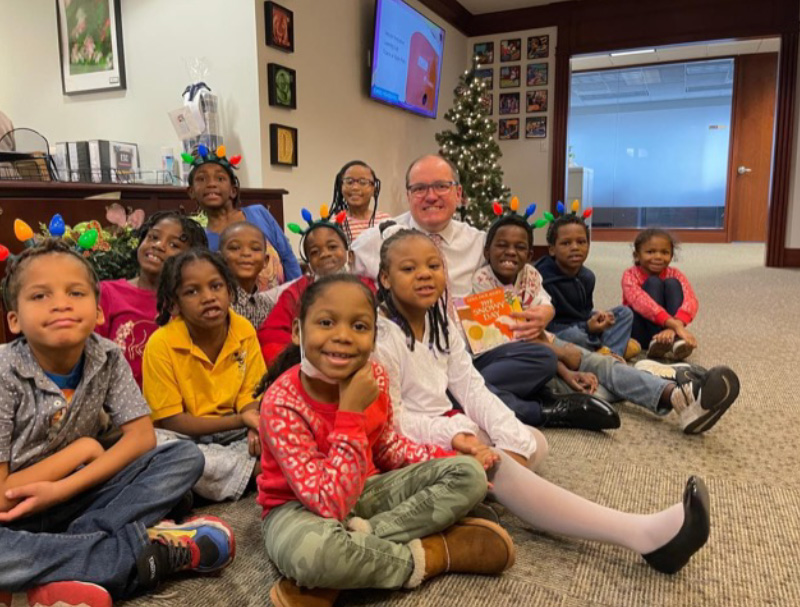
 Recently, a good friend and professional colleague invited me to take the Myers-Briggs Type Inventory (MBTI). I have always believed in taking advantage of self-assessment tools as a way to help triangulate my leadership strengths and opportunities for improvement. More specifically, being attuned to minimize blind spots, defined by Robert Bruce Shaw, author of Leadership Blindspots (2014) as unrecognized weaknesses or threats that can hinder a leader’s success. Shaw says weaknesses we know about are not likely to derail us, but that the weaknesses we don’t know can be dangerous.
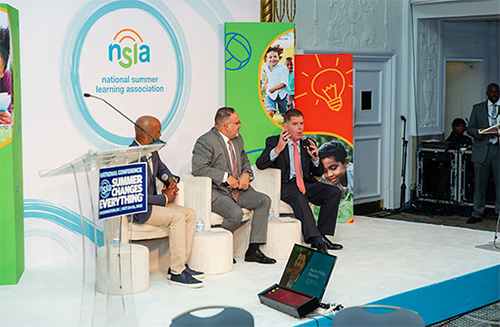
 The National Summer Learning Week (July 11-15) is a celebration dedicated to advocacy and awareness in elevating the importance of keeping kids learning to ensure they return ready to succeed in the new school year.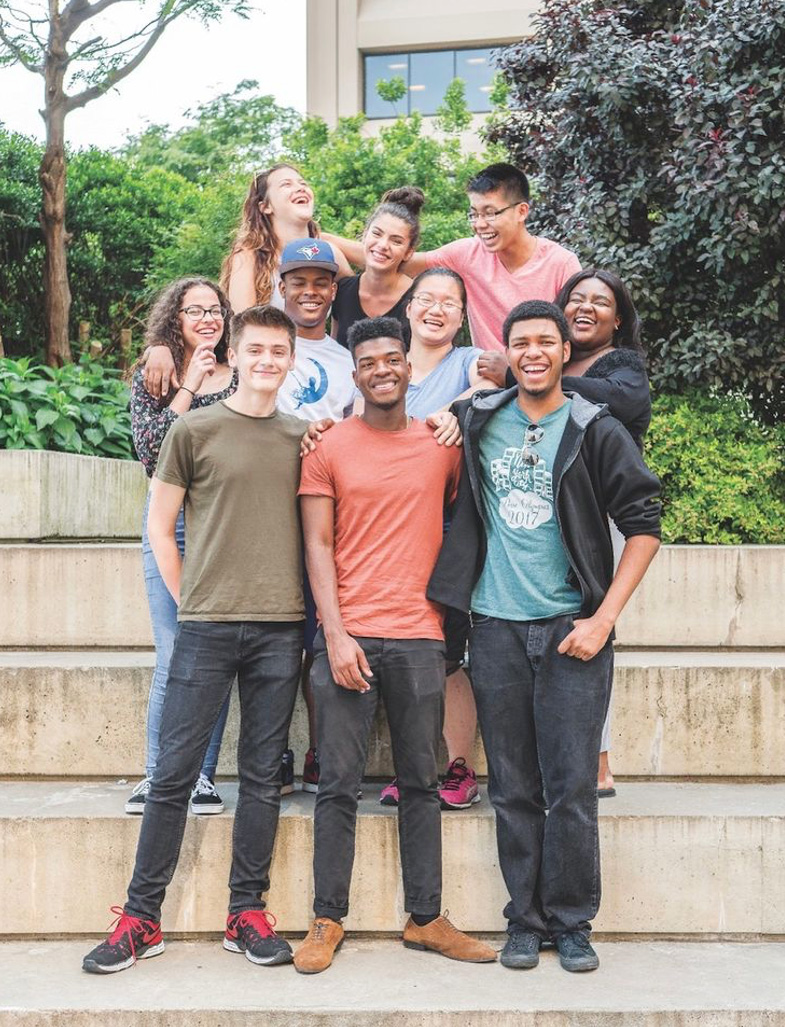
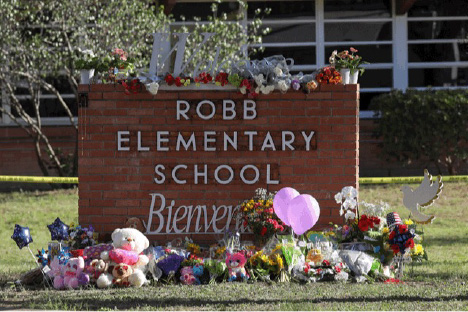 According to the Center for Homeland Defense and Security at the Naval Postgraduate School in Monterey, CA, from 2012 to the present there have been 540 school shooting incidents nationwide that resulted in at least one person killed or wounded. We’ve sunken into a deep dark well when the answer to school shootings becomes a victim of political debate. The Robb Elementary School shooting in Uvalde, Texas continues to shake the nation and the ongoing debate over the availability of assault rifles continues to showcase the fragility of America’s democracy.